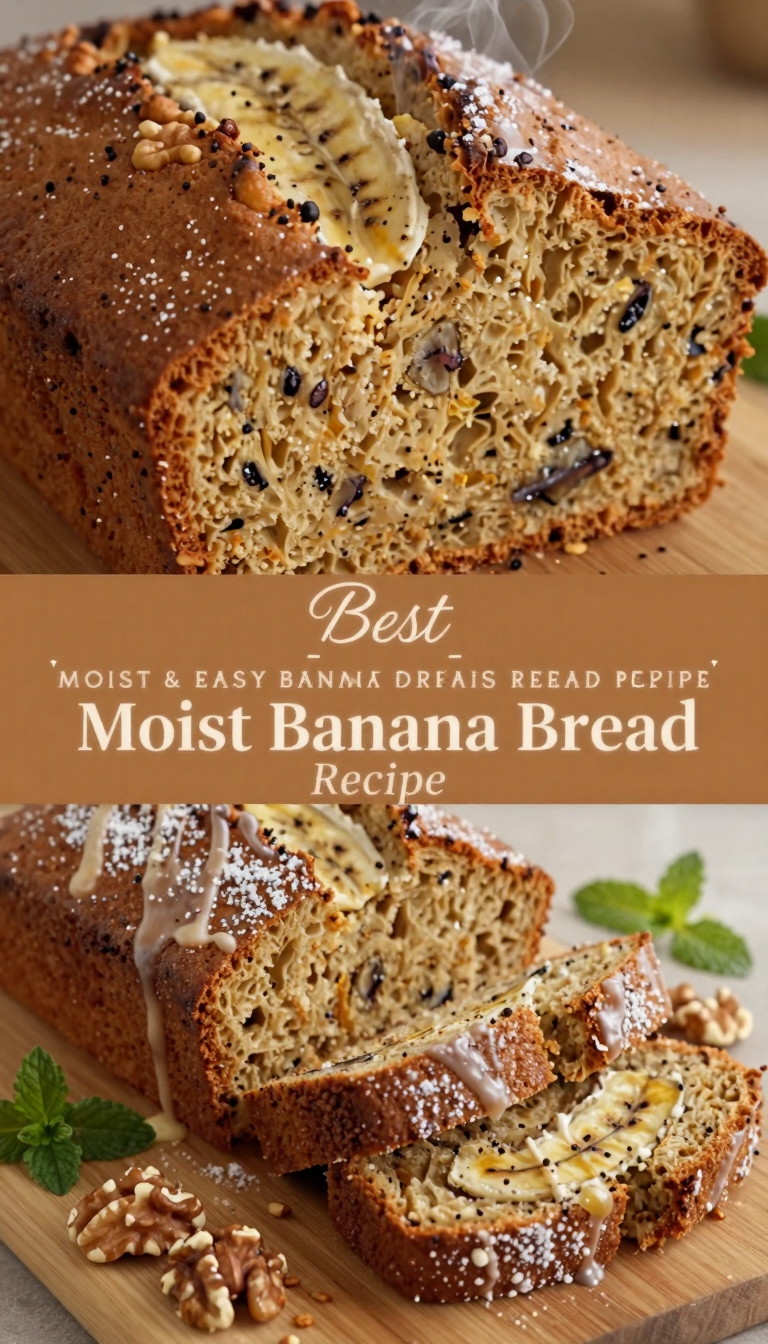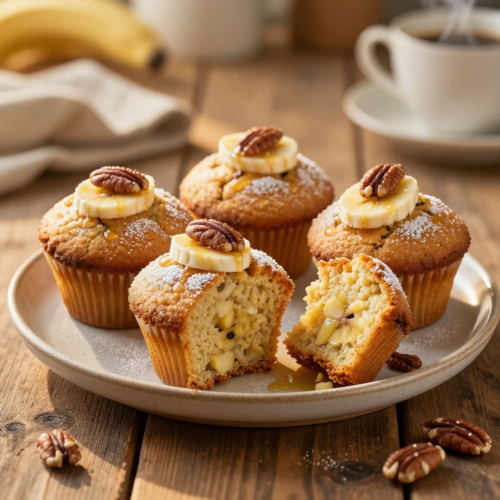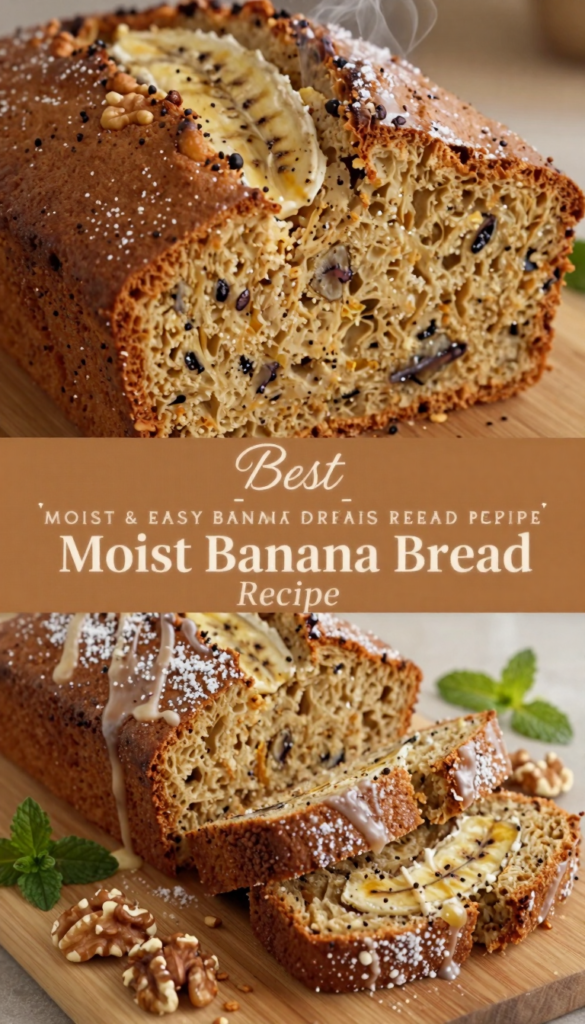
Seriously Moist Banana Bread Recipe with Ripe Bananas
A Timeless Kitchen Tradition
My earliest recollections of baking often involve a familiar scent wafting through the kitchen, a scent that signals something truly special is underway. It wasn’t the intricate layers of a decadent chocolate cake, nor the vibrant hues of a classic red velvet cake, but rather the earthy, sugary fragrance of ripe bananas transforming into a golden loaf. This particular aroma has been a constant in my culinary pursuits, a foundational pillar of what I understand baking to be at its core: a process of transformation, yielding something profoundly satisfying from simple components. It’s a legacy passed down, a method refined over countless attempts to achieve that elusive, perfect texture and profound flavor. Each time I prepare this recipe, I am reminded of the enduring appeal of traditional baking, where quality ingredients and careful technique converge to create something truly memorable.
This recipe for seriously moist banana bread isn’t just a collection of instructions; it represents a distillation of years spent experimenting, adjusting, and perfecting. It addresses the common pitfall of dry, crumbly loaves, instead delivering a product that is consistently tender, rich, and deeply flavorful. The secret, as you will discover, lies in understanding the synergy between adequately ripe bananas and a balanced blend of ingredients, ensuring each slice is as remarkable as the last. We’re moving beyond basic recipes to delve into the nuances that make a significant difference in the final product. Prepare to elevate your baking repertoire with a staple that consistently earns high regard.
The journey to perfecting this banana bread has been a meticulous one, involving countless trials to strike the ideal balance of moisture, flavor, and structure. It’s about more than just combining ingredients; it’s about respecting each component’s role and allowing it to contribute fully to the overall composition. This detailed guide ensures that even novice bakers can achieve results comparable to those of a seasoned professional, demystifying the process and emphasizing precision at every step. The outcome is a loaf that consistently exceeds expectations, establishing itself as a true benchmark for homemade banana bread.
Table of Contents
- A Timeless Kitchen Tradition
- Why This Recipe Works
- Ingredients You’ll Need
- Step-by-Step Instructions
- Pro Tips for Superior Baking
- Variations & Substitutions
- Frequently Asked Questions
- Your Next Baking Endeavor
Why This Recipe Works
Achieving a truly outstanding banana bread requires more than just mixing ingredients; it demands an understanding of how each component contributes to the final outcome. This particular formulation stands apart for several critical reasons, each contributing to a superior texture and profound flavor profile that sets it above typical recipes.
-
Optimal Banana Ripeness for Maximum Flavor and Moisture:
The foundation of any exceptional banana bread is the banana itself, and crucially, its stage of ripeness. This recipe insists on using bananas that are not merely yellow, but deeply speckled with brown, bordering on black. At this stage, the starches in the banana have fully converted to natural sugars, intensifying their sugary profile and contributing significantly to the bread’s moistness and depth of flavor. Underride bananas will result in a less flavorful, potentially drier loaf, lacking the characteristic aromatic profile that defines excellent banana bread. The natural sugars from ripe bananas also reduce the need for excessive added sugar, achieving a balanced sugary character. This ripening process is a non-negotiable step for achieving the ultimate banana bread experience, unlocking the full potential of this humble fruit.
The enzymatic breakdown of starches into sugars in overripe bananas also creates a more liquid consistency, which directly translates to a more hydrated batter. This added liquid, derived naturally from the fruit, plays a pivotal role in creating the bread’s tender crumb without making it dense. It’s a natural emulsifier and a flavor enhancer, ensuring every bite is saturated with authentic banana essence. Skipping this crucial detail means compromising on both the textual and aromatic qualities that make this recipe truly special.
-
Balanced Fat Content for a Tender Crumb:
The inclusion of melted butter is deliberate and essential. Butter not only provides a rich, subtle flavor but also coats the flour particles, inhibiting excessive gluten development. This phenomenon is crucial for achieving a tender, soft crumb rather than a tough, chewy one. The melted state of the butter allows for even distribution throughout the batter, ensuring consistent texture across the entire loaf. This careful balance of fat ensures the bread remains incredibly moist without becoming greasy, a common challenge in many recipes. The fat from the butter also carries flavor compounds, enhancing the overall sensory experience of the bread.
Furthermore, the specific quantity of butter in this recipe is meticulously calculated to provide just enough richness and moisture without overpowering the delicate banana flavor. It acts as a lubricant within the batter, allowing the other ingredients to meld seamlessly and promoting an even rise. This strategic use of fat is a key differentiator, contributing to a consistently superior product that is both structurally sound and remarkably palatable.
-
The Power of Baking Soda for Lift and Structure:
Baking soda, when combined with the acidic components present in ripe bananas and potentially other ingredients, creates carbon dioxide gas. This gas is trapped within the batter, forming bubbles that expand during baking, providing the necessary lift and aeration. This chemical reaction is fundamental to achieving a light yet sturdy structure, preventing the bread from becoming dense or flat. The precise amount of baking soda specified in this recipe is calibrated to work synergistically with the other ingredients, ensuring optimal rise and a perfectly textured interior.
The interaction between the baking soda and the fruit acids is a classic example of chemical leavening, vital for quick breads. Without this carefully measured component, the banana bread would bake into a heavy, brick-like consistency, lacking the inviting loft and delicate crumb that characterizes a truly exceptional loaf. This ingredient, though small in quantity, plays a monumental role in the bread’s final architecture, ensuring it rises beautifully and maintains its airy yet substantial texture.
Ingredients You’ll Need
Before embarking on this rewarding baking endeavor, gather these essential components. Precision in measurement is key for consistent results. Each ingredient has a specific role in creating the seriously moist and flavorful banana bread you desire, so do not deviate from the recommended quantities.
- 3 ripe bananas, mashed: The darker the spots, the better. These provide natural sugars, moisture, and the signature banana essence. Aim for a consistency similar to applesauce, with a few small lumps permissible for texture. They are the heart of this recipe.
- 1/3 cup melted butter: Unsalted butter is preferred, allowing you to control the salt content. Melting it ensures even distribution throughout the batter, contributing richness and a tender crumb.
- 1 teaspoon baking soda: This leavening agent reacts with the acidic bananas to create lift, resulting in a light and airy texture. It’s essential for a good rise.
- Pinch of salt: A small amount of salt enhances the overall flavor profile, balancing the sugary notes and bringing out the depth of the banana. It’s a flavor amplifier.
- 3/4 cup sugar: Granulated sugar provides additional sugary content and also contributes to the bread’s moistness and browning. It helps create that appealing golden crust.
- 1 large egg, beaten: The egg acts as a binder, providing structure and richness to the batter. Beating it lightly before adding helps with even incorporation and a smoother batter.
- 1 teaspoon vanilla extract: A touch of vanilla complements the banana flavor beautifully, adding a layer of aromatic complexity. Choose a good quality extract for the best results.
- 1 cup all-purpose flour: The primary structural component. Measure accurately by spooning flour into a measuring cup and leveling off with a straight edge, rather than scooping directly from the bag, to avoid a dense loaf.
Step-by-Step Instructions
Follow these detailed steps to create a seriously moist banana bread that will impress every palate. Attention to each stage ensures a flawless outcome, transforming simple ingredients into an outstanding baked good. Do not rush any part of this process; patience yields superior results.
-
Preparation is Key: Preheat and Pan Prep:
Begin by preheating your oven to 350°F (175°C). This ensures the oven is at the correct temperature when your batter is ready, preventing uneven baking and promoting an immediate rise. A properly preheated oven is crucial for achieving the desired texture and golden-brown crust. While the oven preheats, prepare a 4×8 inch loaf pan. You can either grease it thoroughly with butter or cooking spray, ensuring every interior surface is coated, or line it with parchment paper, leaving an overhang on the longer sides. The parchment paper method makes removal exceptionally easy and guarantees a clean, intact loaf without sticking. This initial setup is foundational for a successful bake.
-
Mashing the Bananas for Optimal Consistency:
In a spacious mixing bowl, place your three ripe, peeled bananas. Using a fork or a potato masher, thoroughly mash the bananas until they reach a relatively smooth consistency. While some small lumps are acceptable and can add a pleasant textural variation, avoid leaving large chunks. The goal is to release their liquid and incorporate their natural sugars evenly into the batter. This step is crucial for the bread’s ultimate moistness and flavor distribution, as perfectly mashed bananas integrate more effectively with the other ingredients, ensuring a homogenous batter.
-
Incorporating the Melted Butter:
Once the bananas are mashed, pour the melted butter directly into the bowl with the bananas. Stir vigorously with a spoon or spatula until the butter is completely incorporated. The butter should blend seamlessly with the mashed bananas, creating a uniform, slightly glossy mixture. This initial combination lays the groundwork for the bread’s rich flavor and tender crumb, as the fat begins to coat the banana particles, preparing them for the flour addition. Ensure the butter is fully melted but not excessively hot, as this could prematurely cook the bananas.
-
Adding the Dry Leavening and Seasoning:
Now, sprinkle the baking soda and the pinch of salt over the banana and butter mixture. Stir well, ensuring these dry ingredients are evenly distributed throughout the wet base. The baking soda will begin its work in the presence of the bananas’ acidity, initiating the leavening process that will provide lift during baking. The salt, though seemingly minor, plays a crucial role in enhancing all the other flavors, balancing the sugary notes and making the banana’s essence more prominent. Thorough incorporation here ensures an even rise and seasoned bread.
-
Sweeteners, Binders, and Aromatics:
Introduce the sugar, the lightly beaten large egg, and the vanilla extract to the bowl. Mix these ingredients thoroughly until they are well combined with the banana mixture. The sugar dissolves, contributing to the liquid content and sugary profile, while the egg binds everything together, providing structure and richness. Vanilla extract adds a layer of aromatic depth that complements the banana beautifully, elevating the overall flavor. Ensure the egg is fully integrated to prevent a crumbly texture and ensure consistent binding.
-
The Flour Addition – The Art of Gentle Mixing:
Finally, add the all-purpose flour to the wet ingredients. This is the most critical stage for achieving a tender banana bread. Using a spatula or wooden spoon, gently fold the flour into the mixture until just incorporated. Overmixing at this stage will develop the gluten in the flour too much, leading to a tough, dense bread. A few streaks of flour are perfectly acceptable; resist the urge to mix until perfectly smooth. The less you mix, the more tender your loaf will be. This gentle approach is fundamental for a light and airy crumb, so exercise restraint.
-
Filling the Loaf Pan and Baking:
Pour the prepared batter into your greased or parchment-lined 4×8 inch loaf pan. Distribute the batter evenly, gently tapping the pan on the counter a few times to settle it and release any large air bubbles that could create cavities in the finished loaf. Place the pan into the preheated oven. Bake for approximately 60-65 minutes. Baking times can vary slightly depending on your oven’s calibration and specific characteristics, so monitor closely. Position the pan in the center of the oven for even heat distribution.
-
Checking for Doneness:
To confirm the banana bread is fully baked, insert a wooden skewer or a toothpick into the very center of the loaf. If it comes out clean, with no wet batter clinging to it, your bread is ready. If there is wet batter, continue baking in 5-minute increments until clean. The top should be a rich golden brown, and the edges might appear slightly pulled away from the sides of the pan. Trust the toothpick test as the most reliable indicator of internal doneness, preventing both underbaked doughiness and dry overbaked sections.
-
Cooling for Perfection:
Once baked, remove the loaf pan from the oven. Allow the banana bread to cool in the pan for about 10-15 minutes on a wire rack. This initial cooling period allows the bread to set further and prevents it from crumbling when removed. After this time, carefully lift the bread out of the pan (using the parchment paper overhang if applicable) and transfer it directly to the wire rack to cool completely. Slicing too early can compromise the texture, leading to a gummy interior. This cooling process is just as vital as the baking itself, ensuring a perfectly structured loaf that is firm enough to slice cleanly and presents its optimal texture and flavor.
Pro Tips for Superior Baking
Elevate your banana bread from excellent to extraordinary with these expert suggestions, refining both your process and the final product. These insights, gleaned from years of baking experience, are designed to troubleshoot common issues and ensure every loaf you produce is a masterpiece.
-
The Undisputed Power of Overripe Bananas:
This cannot be stressed enough. Do not settle for yellow bananas. The ideal bananas for this recipe are heavily speckled with dark brown or even entirely black. At this stage, the starches have converted almost entirely to natural sugars, concentrating their flavor and providing unparalleled moisture. If your bananas aren’t quite ready, you can speed up the ripening process by placing them in a paper bag with an apple for a day or two, or by baking them unpeeled on a baking sheet at 300°F (150°C) for 15-30 minutes until their skins are black and shiny. Let them cool before mashing. This small effort yields significant dividends in flavor and texture, making the difference between good banana bread and truly exceptional banana bread.
The profound effect of overripe bananas extends beyond just flavor; their increased liquid content contributes significantly to the bread’s tender crumb. This natural hydration means less reliance on other liquids, resulting in a perfectly balanced batter that bakes up consistently moist. Furthermore, the intense aroma of very ripe bananas permeates the entire loaf, creating a deeply aromatic experience that is unmistakably authentic. Neglecting this crucial detail is arguably the biggest missed opportunity in banana bread preparation.
-
Avoid Overmixing at All Costs:
This is perhaps the most common pitfall in quick bread baking. Once you add the flour, mix only until the dry ingredients are just incorporated. A few streaks of flour remaining are perfectly fine, even desirable. Overmixing develops the gluten in the flour too much, leading to a tough, chewy, and dense loaf, rather than the tender, moist crumb we are aiming for. Use a gentle hand and a spatula, folding the ingredients together rather than vigorously stirring. This discipline ensures a consistently light and airy texture, making each slice a pleasure to consume. Remember, quick breads thrive on minimal agitation after flour introduction.
The principle here is simple: gluten, once activated by liquid and agitation, creates elasticity. While essential for yeast breads, excessive elasticity in quick breads like banana bread results in an undesirable, rubbery texture. By mixing minimally, you prevent the gluten from forming too strong a network, thereby preserving the delicate crumb structure that is characteristic of a truly moist and tender loaf. This technique requires a conscious effort, but the improved texture of your banana bread will be a clear demonstration of its value.
-
The Importance of a Properly Preheated Oven:
Baking banana bread in an oven that hasn’t reached its target temperature can lead to an uneven rise, a dense center, and a less appealing texture. Always preheat your oven for at least 15-20 minutes before placing the loaf pan inside. This ensures a consistent temperature throughout the baking process, promoting proper leavening and browning. An oven thermometer can be a valuable tool to verify your oven’s accuracy, as many home ovens can fluctuate significantly from their set temperature. A consistent initial burst of heat is essential for activating the leavening agents effectively.
The sudden exposure to high, even heat allows the baking soda to react quickly, creating a rapid expansion of gases that gives the bread its initial lift. If the oven is too cool, this reaction is sluggish, resulting in a flatter, denser loaf. Conversely, an oven that is too hot can cause the crust to set too quickly, preventing the interior from fully rising and baking through, leading to a raw center. Maintaining the precise temperature is a cornerstone of successful quick bread baking.
-
Mastering the Cooling Process:
While it’s tempting to slice into a warm loaf immediately, patience during the cooling phase is paramount. Allowing the banana bread to cool completely on a wire rack allows the internal structure to set fully. Slicing a hot loaf can result in a crumbly texture and can also make the bread seem gummier. The flavors also continue to meld and deepen as the bread cools. For optimal texture and slicing, allow it to reach room temperature. If you can wait, wrapping the cooled loaf tightly and letting it rest for a few hours, or even overnight, will further improve its moistness and flavor. This technique is often used for other baked goods, like easy cinnamon rolls, to enhance their texture and allow their internal structure to stabilize fully.
The process of cooling is not merely a waiting period; it’s an active phase of the baking cycle. As the bread cools, residual heat continues to cook the interior gently, firming up the crumb and ensuring it holds its shape. Furthermore, the moisture within the bread redistributes itself evenly, preventing dry spots and enhancing the overall tender quality. Cutting into a loaf prematurely releases steam, which is critical for maintaining internal moisture, leading to a drier product. This final step is as crucial as any other in achieving a truly perfect banana bread.
Variations & Substitutions
While the classic seriously moist banana bread is a stand-alone masterpiece, its versatile nature allows for numerous creative additions and adaptations. Experiment with these ideas to tailor the recipe to your specific preferences or dietary needs, transforming the familiar into something uniquely yours. The foundational structure of this recipe is robust enough to accommodate these modifications without compromising the core quality.
-
Add-Ins for Texture and Flavor:
To introduce additional layers of texture and flavor, consider incorporating various mix-ins. For a delightful crunch and earthy flavor, stir in 1/2 to 1 cup of chopped walnuts or pecans just before the final mix. Toasting these nuts lightly beforehand can significantly enhance their aroma and crispness. For those who appreciate a richer dimension, mix in 1/2 to 1 cup of semi-sweet, dark, or milk chocolate chips. These melt into pockets of deliciousness within the bread, offering a complementary flavor that pairs exceptionally well with banana. This can be a wonderful alternative for those who enjoy a chocolate fruit cake, providing a similar satisfying experience. Additionally, dried fruits like raisins, dried cranberries, or chopped dates (1/2 cup) can add bursts of concentrated fruit flavor and chewiness. A pinch of ground cinnamon, nutmeg, or allspice (1/4 to 1/2 teaspoon) can introduce a subtle layer of aromatic complexity, complementing the banana beautifully. For a tropical note, shredded coconut (1/2 cup) provides both flavor and additional texture.
-
Flour Alternatives:
For those seeking different dietary profiles or textures, the flour can be adjusted. For a slightly healthier, denser loaf with a nutty flavor, you can substitute up to half of the all-purpose flour with whole wheat flour. Keep in mind this will alter the texture slightly, making it a bit heartier and potentially requiring a touch more liquid. For a gluten-free version, a good quality 1:1 gluten-free baking blend can often be substituted directly for the all-purpose flour. Ensure the blend contains xanthan gum for necessary structure, as gluten-free flours lack the natural binding properties of wheat. Results may vary slightly depending on the specific blend, but many perform exceptionally well in quick bread recipes, offering a robust structure.
-
Sweetener Adjustments:
The sugary profile can also be customized. Substituting some or all of the granulated sugar with light or dark brown sugar will impart a deeper, more molasses-like flavor and can contribute to an even moister texture due to its hygroscopic properties, meaning it attracts and retains moisture. While possible, replacing granulated sugar with liquid sweeteners like maple syrup or honey requires careful adjustments to the overall liquid content of the recipe. Generally, for every cup of granulated sugar replaced, reduce other liquids by 1/4 cup and perhaps add an extra tablespoon of flour to maintain consistency. This prevents the batter from becoming too runny and ensures proper baking.
-
Dairy Alternatives:
For a dairy-free version, use a good quality plant-based butter substitute that melts well and has a neutral flavor. There are many excellent options available that mimic the properties of dairy butter effectively. While butter provides a superior flavor, you can also substitute an equal amount of neutral-flavored oil (like vegetable oil or canola oil) for the melted butter. This will result in a slightly different texture, often even moister due to oil’s molecular structure, but with less of the rich butter flavor. Experiment to find your preferred fat source.
-
Enhancing Moisture:
For an even more incredibly moist and tender loaf, consider incorporating additional ingredients that boost hydration. Adding 1/4 to 1/2 cup of sour cream or plain full-fat yogurt (Greek yogurt works exceptionally well) can significantly enhance the moisture and tender crumb of the banana bread, while also adding a subtle tangy depth that complements the banana beautifully. If adding these, you might reduce the milk (if any) or butter very slightly to account for the extra liquid, ensuring the batter maintains its optimal consistency. This addition works by providing extra fat and acidity, both of which contribute to a softer texture and extended freshness.
Remember, when making substitutions, especially with flour or liquid sweeteners, start with small adjustments and note the results for future reference. Baking is both a science and an art, and personalizing a recipe is part of the creative process. Each modification offers an opportunity to discover new dimensions of this classic baked good.
Frequently Asked Questions
Your Next Baking Endeavor
There are few baking projects as universally appreciated as a perfectly executed banana bread. It’s a testament to the transformative power of simple, wholesome ingredients, elevated by a thoughtful approach and careful execution. This seriously moist banana bread recipe is designed to be a reliable friend in your kitchen, providing consistent results that speak volumes about quality and flavor. It’s more than just a recipe; it’s an invitation to engage with the craft of baking, to understand the subtle interactions that lead to something truly exceptional. Whether you are a seasoned baker or just beginning your culinary explorations, this recipe offers a rewarding experience, building confidence with every successful loaf.
From the moment the rich, sugary aroma begins to fill your home, to the initial tender slice revealing its perfectly moist interior, this banana bread delivers satisfaction at every turn. It’s an adaptable base, ready for your personal touch, whether that means a sprinkle of nuts, a scattering of chocolate chips, or simply enjoying it in its unadorned, classic form. This versatility ensures that the recipe can evolve with your preferences, always remaining a staple. Take the opportunity to gather those overripe bananas, clear your counter, and embark on this straightforward yet incredibly gratifying baking journey. Consider exploring other baking avenues, such as a sweet vanilla cake, for another delightful experience once you’ve mastered this classic. We are confident that this seriously moist banana bread will become a cherished staple in your repertoire, a creation you’ll return to again and again, establishing a tradition in your own kitchen.
The essence of good baking lies in attention to detail and a genuine appreciation for the process. This banana bread embodies those principles, offering a tangible reward for your efforts. It’s a creation that brings people together, sparking conversations and creating memorable moments around the table. So, roll up your sleeves, embrace the simple elegance of this recipe, and prepare to present a loaf that truly stands apart. The journey from humble bananas to a magnificent baked good is an adventure worth taking, and this recipe is your trusted guide.
Loved this recipe? Save it to your favorite Pinterest board so you can easily find it later! ✨