Healthy Banana Bread Recipe: A Family Favorite Delight
A Wholesome Morning Tradition for Busy Families
In the whirlwind of daily life, finding moments to gather around something truly satisfying and nutritious can feel like a quest. For me, Tedy, that quest often leads back to my kitchen, where simple ingredients transform into truly rewarding creations. I remember growing up in a household that was always buzzing with activity. My parents worked demanding jobs, and quick, wholesome meals were not just a preference, but a necessity. It was during those formative years that I learned the profound power of accessible ingredients and straightforward techniques to produce dishes that truly nourish the body.
This healthy banana bread recipe isn’t just another item on a list; it’s a testament to those early lessons. It embodies my philosophy of practical, delicious cooking that fits seamlessly into a busy schedule without compromising on quality or nutritional value. As a parent now, I understand the constant juggle, the desire to provide nutritious options without spending hours in preparation. This particular recipe has become a staple in my own home, a reliable option for a quick breakfast, an afternoon refuel, or even a simple after-dinner conclusion. It’s designed for real life, for those mornings when time is short, and for those afternoons when a wholesome snack is precisely what’s needed. It’s a method that works, consistently delivering a satisfying outcome with minimal fuss.
The beauty of this banana bread lies in its simplicity and its ability to incorporate beneficial ingredients without sacrificing the familiar, appealing textures and aromas we all appreciate. We’re moving beyond mere sustenance here; we’re aiming for something that genuinely contributes to a well-rounded diet while also being genuinely pleasant to consume. Forget overly complicated steps or obscure ingredients. This is about making nutritious eating straightforward and accessible, proving that ‘healthy’ can indeed mean ‘delicious’ and ‘easy’ all at once. It’s about providing your family with a truly good option that you can feel confident about serving, any day of the week.
Table of Contents
- A Wholesome Morning Tradition for Busy Families
- The Practical Advantages of This Banana Bread
- Essential Components for Your Loaf
- Crafting Your Perfect Banana Bread
- Expert Advice for Baking Success
- Tailoring Your Banana Bread to Your Preferences
- Common Questions About Healthy Banana Bread
- Making Wholesome Eating a Regular Practice
The Practical Advantages of This Banana Bread
When I develop a recipe for my kitchen and, subsequently, for yours, I always consider several key factors beyond just taste. This healthy banana bread stands out for a multitude of practical reasons that make it a superior choice for any household aiming for more wholesome eating patterns. It’s not merely a recipe; it’s a strategic approach to providing nutritious food.
- Nutrient-Dense Composition: Unlike many conventional banana bread recipes that rely on refined sugars and flours, this version incorporates whole wheat flour and natural sweeteners like honey or maple syrup. Whole wheat flour retains the bran and germ of the wheat kernel, supplying more fiber, vitamins, and minerals. This contributes to better digestive function and a more sustained release of energy, preventing the sharp blood sugar spikes often associated with simpler carbohydrates. The use of natural sweeteners also means you’re consuming fewer processed ingredients, aligning with a more natural eating approach. It’s about maximizing the nutritional return from every slice.
- Effortless Preparation: In today’s fast-paced environment, a recipe that doesn’t demand extensive time or complex techniques is invaluable. This banana bread is designed for efficiency. With a simple mix-and-bake method, it requires minimal hands-on time, making it accessible even for novice bakers or those with limited kitchen experience. The straightforward steps mean you can have the batter ready and in the oven in under fifteen minutes, freeing you up for other tasks while your kitchen fills with an appealing aroma. This ease of execution makes it a practical option for any day of the week, not just special occasions.
- Versatile for Various Occasions: One of the strongest attributes of this recipe is its adaptability. It serves multiple roles throughout the day. It’s substantial enough for a quick breakfast, providing essential fuel to start your morning. It makes for an excellent mid-morning or afternoon snack, curbing hunger effectively until the next meal. Furthermore, it can function as a lighter conclusion to a meal, pairing well with a cup of tea or coffee. Its wholesome nature means it suits different dietary needs and preferences, offering a versatile solution that fits into almost any part of your daily routine. This adaptability ensures it’s always a good choice, no matter the time of day.
These practical advantages underscore why this healthy banana bread has become such a recurrent feature in my home and why I recommend it with such conviction to others. It addresses the needs of modern life by offering a nutritious, easy-to-prepare, and adaptable food option.
Essential Components for Your Loaf
Gathering your ingredients before you begin is a crucial first step in any baking endeavor. This ensures a smooth process and prevents any last-minute scrambling. For this healthy banana bread, we’re focusing on accessible, wholesome items that you likely already have or can easily acquire. The selection of these particular ingredients is deliberate, chosen to produce a loaf that is both nourishing and full of appealing taste.
- 3 Ripe Bananas: The riper, the better! Look for bananas with plenty of brown spots; these contain more natural sugars and provide the most intense banana essence for your bread.
- 1/3 Cup Melted Coconut Oil: This serves as our primary fat, contributing a subtle richness and a tender crumb. Ensure it’s melted but not hot.
- 1/2 Cup Honey or Maple Syrup: Our natural sweetener, offering a nuanced taste profile compared to refined sugars. Choose whichever you prefer or have on hand.
- 2 Large Eggs: These act as a binder, providing structure and moisture to the loaf.
- 1 Teaspoon Vanilla Extract: A fundamental flavor enhancer that complements the banana and adds depth to the overall profile.
- 1 Teaspoon Baking Soda: Our leavening agent, responsible for the bread’s rise and light texture.
- 1/4 Teaspoon Salt: Essential for balancing the tastes and bringing out the other flavors in the bread.
- 1 Teaspoon Cinnamon: Adds a gentle spice and aromatic quality that pairs exceptionally well with banana.
- 1 1/2 Cups Whole Wheat Flour: This is our base flour, providing fiber and a robust, wholesome texture.
Each of these components plays a vital role in the final outcome, contributing to the bread’s texture, taste, and nutritional profile. Having them measured and ready will streamline your baking process considerably.
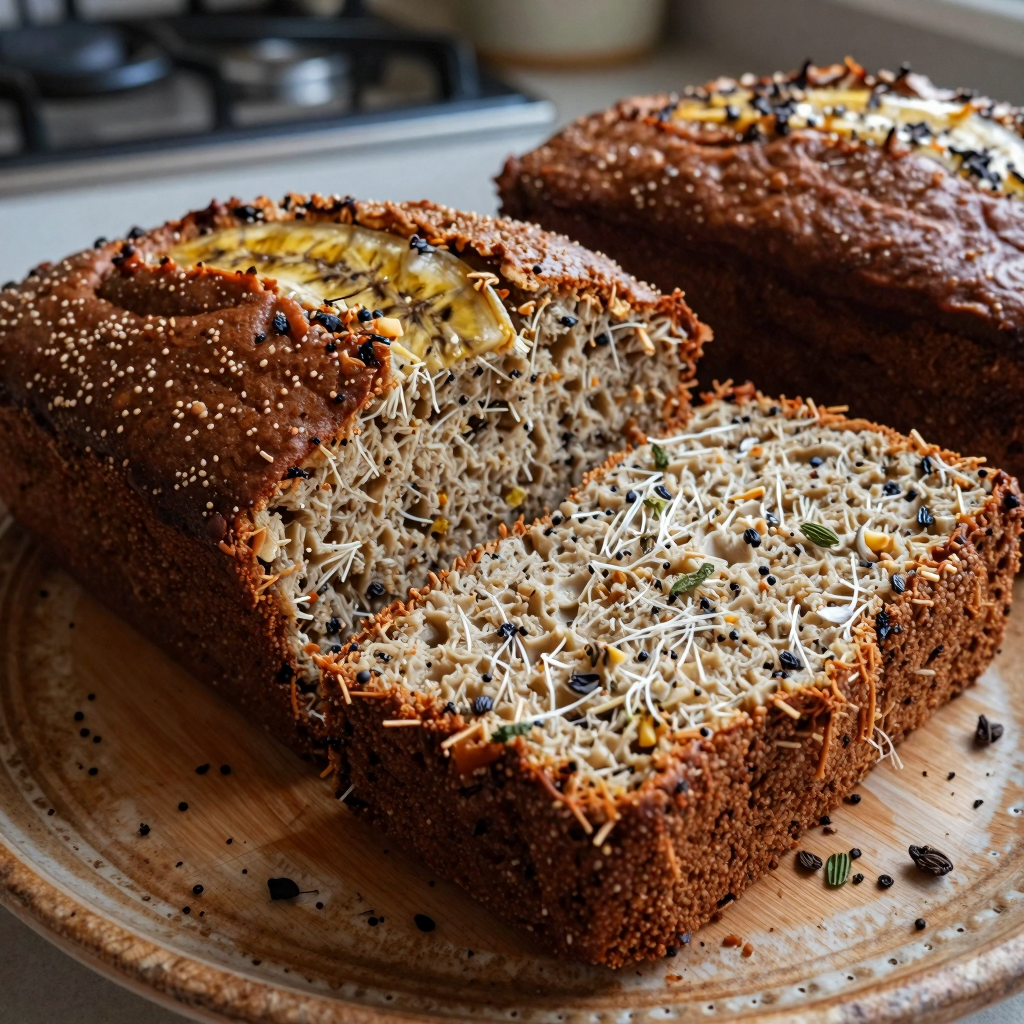
Crafting Your Perfect Banana Bread
Baking this healthy banana bread is a straightforward process, designed for efficiency and consistent results. Follow these steps carefully, and you’ll soon have a beautifully baked loaf filling your kitchen with its wonderful aroma. Precision in baking, even in simple recipes, often leads to the most satisfying outcomes.
- Preparation is Key: Begin by preheating your oven to 350°F (175°C). This ensures the oven is at the correct temperature when your batter is ready, which is important for even baking and proper rise. Next, prepare a standard loaf pan (approximately 9×5 inches). You can grease it lightly with a little extra coconut oil or line it with parchment paper, leaving an overhang on the sides. The parchment paper method makes it much easier to remove the cooled bread from the pan later.
- Mash the Bananas: In a large mixing bowl, place your three ripe bananas. Using a fork or a potato masher, thoroughly mash the bananas until they reach a relatively smooth consistency. A few small lumps are perfectly acceptable and can even add a pleasing texture to the finished bread. The riper your bananas, the easier they will be to mash and the more intense their natural taste will be.
- Combine Wet Ingredients: To the mashed bananas, add the melted coconut oil, honey or maple syrup, two large eggs, and the vanilla extract. Whisk these ingredients together until they are well combined and the mixture appears uniform. Ensure that the coconut oil isn’t too hot, as this could inadvertently cook the eggs. If it’s too warm, allow it to cool slightly before adding it to the other wet components.
- Introduce Dry Leavening and Spice: Sprinkle the baking soda, salt, and cinnamon directly over the wet mixture. Stir these dry components into the wet ingredients until they are fully incorporated. This step ensures that the leavening agent is evenly distributed, which is crucial for the bread to rise properly and consistently throughout the loaf.
- Incorporate the Flour: Add the whole wheat flour to the bowl. Using a spatula or a wooden spoon, gently mix the flour into the wet components. Mix only until the flour streaks have just disappeared and the batter is combined. Overmixing flour can develop the gluten too much, leading to a tougher, denser bread. The goal here is just to bring everything together.
- Bake to Perfection: Pour the prepared batter into your greased or parchment-lined loaf pan. Spread it evenly with your spatula. Place the pan into the preheated oven and bake for 50-60 minutes. Baking times can vary slightly depending on your oven, so start checking around the 50-minute mark. The bread is ready when a wooden skewer or toothpick inserted into the center comes out clean or with only a few moist crumbs attached.
- Cool and Serve: Once baked, remove the loaf pan from the oven and allow the banana bread to cool in the pan for about 10-15 minutes. This cooling period is important as it allows the bread to set and prevents it from crumbling when you remove it. After this initial cooling, carefully lift the bread out of the pan (using the parchment paper overhang if applicable) and transfer it to a wire rack to cool completely before slicing and serving. Slicing warm banana bread can be tempting, but a fully cooled loaf yields cleaner slices and a better texture.
Following these steps will result in a beautifully baked, wholesome banana bread that is ready to be enjoyed by your household. Each step contributes to the overall success of the recipe, ensuring a consistent and satisfying outcome.
Expert Advice for Baking Success
Even with a straightforward recipe like this healthy banana bread, a few insider tips can elevate your baking experience and ensure truly outstanding results every time. These suggestions come from years of practical kitchen work and are designed to help you navigate common baking nuances, ensuring your loaf is as good as it can possibly be.
- The Significance of Truly Ripe Bananas: This might sound obvious, but the ripeness of your bananas is not just a suggestion; it’s a critical component for both the taste and texture of your bread. Bananas that are speckled with abundant brown spots, or even almost entirely brown, are ideal. At this stage, their starches have converted into natural sugars, intensifying their inherent taste and making them considerably sweeter. This allows us to use less added sweetener. Furthermore, very ripe bananas are softer and mash more easily, integrating smoothly into the batter without leaving large, unappealing chunks. If your bananas aren’t quite ripe enough, you can speed up the process by placing them in a paper bag with an apple for a day or two, or by baking them on a baking sheet at 300°F (150°C) for 15-30 minutes until their skins turn black (then cool before mashing).
- Measuring Flour Accurately: Flour measurement is often overlooked but can significantly affect the final product’s density and moisture. For best results, use the ‘spoon and level’ method. Instead of scooping your measuring cup directly into the flour bag, which can compact the flour and lead to using too much, spoon the flour into your measuring cup until it’s overflowing. Then, use the back of a knife or a straight edge to level off the top. This ensures you’re using the precise amount of flour specified in the recipe, preventing a dry or overly dense loaf. A kitchen scale provides the most accurate measurement if you have one; 1 1/2 cups of whole wheat flour is approximately 180-195 grams.
- Avoid Overmixing the Batter: Once you add the flour to the wet ingredients, it’s crucial to mix only until the flour is just incorporated. Overmixing develops the gluten in the flour, which can lead to a tough, chewy texture rather than the tender crumb you desire in banana bread. Use a spatula or wooden spoon and fold the ingredients together gently until no dry streaks of flour remain. A few small lumps are perfectly acceptable and won’t negatively impact the final product. This principle applies to many quick bread recipes, ensuring a light and airy result.
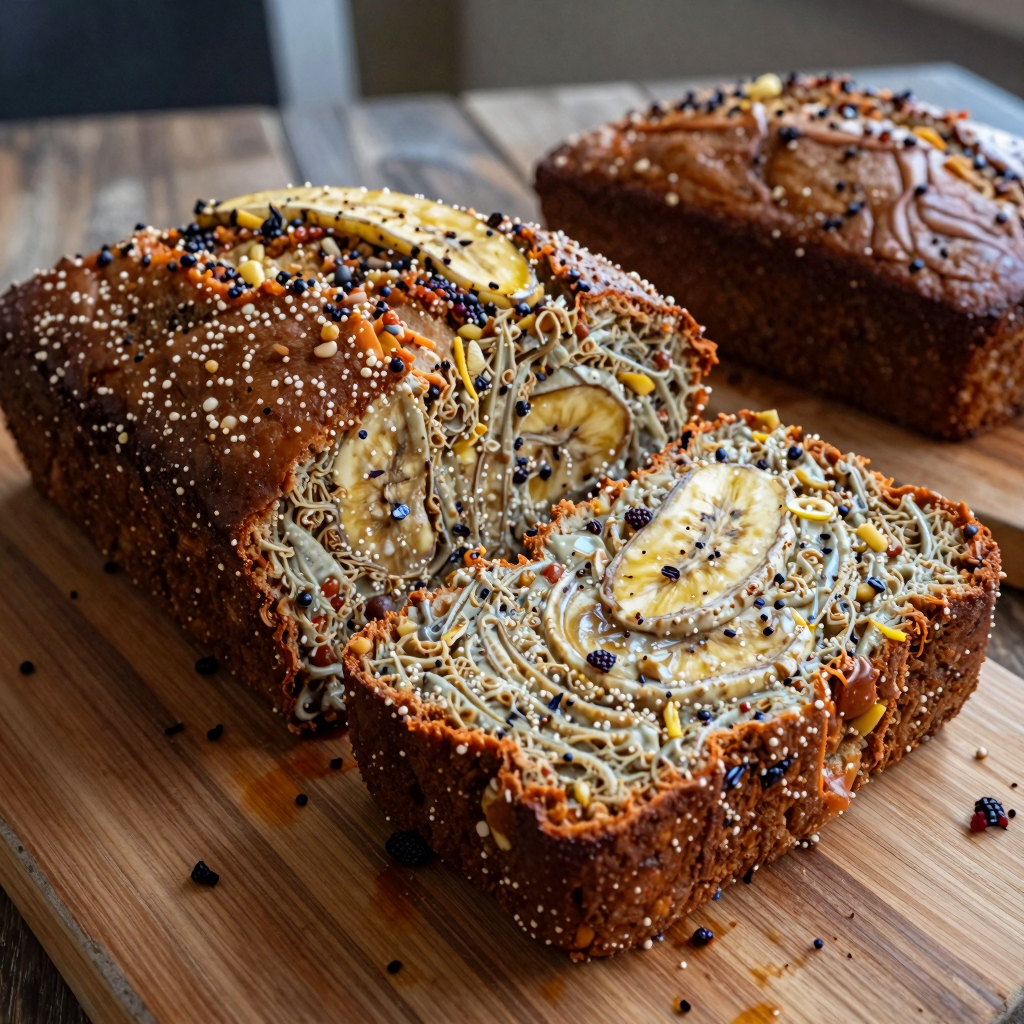
- Toppings for Added Texture and Taste: While this banana bread is perfectly satisfying on its own, adding a simple topping can introduce an additional layer of texture and taste. Before baking, consider sprinkling a tablespoon of turbinado sugar over the top of the batter. This will create a slightly crispy, caramelized crust that contrasts beautifully with the soft interior. Alternatively, a handful of chopped walnuts or pecans can add a pleasant crunch and an earthy taste. For an even more intense banana taste, you could slice an extra banana lengthwise and place the halves on top of the batter before baking. These small additions can transform a good loaf into an exceptional one, offering a subtle enhancement without making the recipe more complex.
Implementing these practical tips will not only improve the immediate outcome of your banana bread but will also enhance your general baking proficiency, providing you with better control over your culinary creations.
Tailoring Your Banana Bread to Your Preferences
One of the true strengths of a good foundational recipe is its capacity for modification. This healthy banana bread, while excellent in its basic form, serves as an ideal canvas for various additions and substitutions, allowing you to customize it to your specific tastes, dietary needs, or what you simply have available in your pantry. Experimenting with these variations can lead to exciting new versions of this family staple.
For those who appreciate extra texture and nutritional boosts, consider incorporating a range of mix-ins. A half-cup of chopped nuts, such as walnuts, pecans, or even almonds, can provide a satisfying crunch and an additional layer of healthy fats. If you prefer a slightly fruity variation, dried cranberries, chopped dates, or even raisins can be folded into the batter. For a touch of rich flavor, a half-cup of dark chocolate chips or chunks would be a fitting addition, especially if you’re looking for a slightly more decadent profile without straying too far from the wholesome base. Remember that if you add very moist ingredients, such as fresh berries, you might need to extend the baking time slightly to account for the additional liquid.
Beyond mix-ins, you can also consider altering the spice profile. While cinnamon is a classic partner to banana, a pinch of nutmeg, a dash of ground cloves, or a touch of allspice can introduce a more complex, autumnal character. For an even more aromatic experience, consider adding a tablespoon of orange zest or lemon zest to the batter; the bright, citrusy notes complement the rich banana taste remarkably well. If you’re a fan of other baked goods like easy cinnamon rolls, you know how much a simple spice change can impact the entire experience. These small adjustments can dramatically shift the perception of the bread without requiring a complete overhaul of the recipe.
Dietary modifications are also quite straightforward with this recipe. If you need a gluten-free option, you can typically substitute the whole wheat flour with a 1:1 gluten-free all-purpose flour blend. Ensure the blend contains xanthan gum, or add 1/2 teaspoon yourself, to maintain proper structure. For those avoiding eggs, a ‘flax egg’ (1 tablespoon ground flaxseed mixed with 3 tablespoons water, allowed to sit for 5 minutes until gelled, per egg) can often be used, though the texture might be slightly denser. If you’re looking to reduce fat content, you could experiment with replacing a portion of the coconut oil with unsweetened applesauce, starting with a 1:1 ratio for half the oil and observing the results. These substitutions often require a bit of experimentation to find the exact balance that works for your specific preferences and ingredients, but the foundation of this recipe is robust enough to handle them.
Finally, consider how you serve your banana bread. While excellent on its own, a slice can be enhanced with a smear of almond butter, a dollop of Greek yogurt, or even a light drizzle of extra honey. It pairs wonderfully with a side of fresh fruit; perhaps a refreshing fruit salad for a complete breakfast. If you’re looking for other fruit-centric desserts, you might also appreciate a chocolate fruit delight. The versatility of this banana bread extends beyond its creation, offering numerous avenues for serving that can elevate the entire eating experience.
Common Questions About Healthy Banana Bread
Q: Can I use frozen bananas for this recipe?
A: Absolutely! Frozen ripe bananas are excellent for banana bread. Thaw them completely at room temperature or in the microwave until soft. They will release a significant amount of liquid, which you should drain off before mashing. While some argue that keeping a bit of the liquid adds extra banana essence, too much can alter the batter’s consistency and lead to a denser loaf. The key is to ensure they are fully thawed and mashed well. Freezing ripe bananas is a fantastic way to prevent waste and always have them ready for baking.
Q: How do I store healthy banana bread to keep it fresh?
A: To maintain its optimal texture and taste, store your banana bread at room temperature in an airtight container for up to 3-4 days. For longer preservation, you can refrigerate it for up to a week. If you plan to keep it for an extended period, slicing the loaf and freezing individual portions is an excellent strategy. Wrap each slice tightly in plastic wrap, then place them in a freezer-safe bag or container. When you’re ready to enjoy a slice, simply thaw it at room temperature or warm it gently in a toaster oven or microwave. This method ensures you always have a fresh-tasting portion available.
Q: Can I make this banana bread vegan?
A: Yes, with a couple of modifications, this recipe can be adapted to be vegan. For the eggs, you can use ‘flax eggs’ (1 tablespoon ground flaxseed mixed with 3 tablespoons water, per egg) or a commercial egg replacer according to package directions. For the honey, simply substitute it with an equal amount of maple syrup, which is a plant-based sweetener. Ensure your coconut oil is also vegan-friendly, which it typically is. These changes will allow you to create a delicious, plant-based version of this wholesome banana bread, retaining much of its original structure and taste.
Q: Why did my banana bread turn out too dense or dry?
A: Several factors can contribute to a dense or dry banana bread. The most common culprits are overmixing the batter (which develops gluten excessively, leading to a tough texture) and using too much flour (often due to incorrect measuring). Ensure you use the ‘spoon and level’ method for flour measurement. Also, baking at too high a temperature or for too long can dry out the bread. Always check for doneness around the 50-minute mark with a toothpick. If your bananas weren’t ripe enough, the bread might also lack moisture and natural sweetness. Paying attention to these details can help you achieve a perfectly moist and tender loaf consistently.
Making Wholesome Eating a Regular Practice
As we conclude our exploration of this healthy banana bread, I hope you feel equipped and eager to bring this recipe into your own kitchen. My aim with Oh My Chow is always to provide practical, accessible solutions for incorporating more wholesome foods into our daily routines, and this recipe stands as a strong example of that philosophy. It represents a way to offer something truly good to your family, something that nourishes their bodies and provides sustained energy, all without demanding excessive time or complex culinary skills. It’s about making smart choices that yield satisfying results.
The journey to more nutritious eating doesn’t have to be one of deprivation or difficulty. Rather, it can be filled with discoveries of simple, effective recipes that become cherished staples. This banana bread, with its reliance on natural ingredients and straightforward preparation, exemplifies how easy and rewarding it can be to make beneficial food choices. It’s a versatile item that serves well for breakfast, as a snack, or even a lighter dessert, making it a valuable addition to your recipe repertoire. Think of it as a stepping stone to other wholesome creations. For instance, if you’re looking for other nutrient-packed options for your meals, a healthy quinoa salad offers a different approach to incorporating beneficial components into your diet.
I encourage you to give this recipe a try. Experience firsthand how a few ripe bananas and some essential pantry items can transform into a truly appealing and substantial loaf. Don’t be afraid to experiment with the variations I’ve suggested, tailoring it to your family’s unique preferences. The most rewarding aspect of cooking is often the personal connection we forge with the food we prepare, and the positive impact it has on those we share it with. This healthy banana bread is more than just a recipe; it’s an opportunity to foster better eating practices and provide a consistent source of good nutrition. I look forward to hearing about your baking experiences and how this recipe becomes a regular feature in your home. Happy baking!
Loved this recipe? Save it to your favorite Pinterest board so you can easily find it later! ✨